Sustainable cooking 2026
AISHA’S STORY
Elizabeth Vibert, Chen Wang / 63 min. / 2025 / Canada / Spanish Premiere
Miembro de: 

Years ago, FICMEC decided to champion locally sourced food products, known as zero-kilometre food, as a necessary pillar for building a more sustainable society.
Canarian gastronomy plays an essential role in this space, which has seen countless products representative of the primary sector of the islands, such as the chícharo, Teno cheese, and local wine. These products once sustained many families.
For this project, FICMEC found its best ally in El Rebojo. In Fran Mejía´s capable hands, the restaurant has established itself as one of the most respected culinary spaces on the island. Its culinary philosophy is not only based on locally sourced products, but also on the search for recipes that mix innovation and tradition, reviving some products whose culinary use had almost been lost, as if working in the field of food archaeology.
Under the title “Bread, oil and land: shared culinary traditions”, El Rebojo will offer a choice of dishes that include garbanzos and chícharos from Teno, tomatoes and onions from Masca, goat yoghurt, honey from Santiago del Teide, and gofio from El Amparo. Through this selection, the restaurant hopes to mediate between the film Aisha’s Story and the spectators, helping us value food as an important piece of cultural heritage.
Elizabeth Vibert, Chen Wang / 63 min. / 2025 / Canada / Spanish Premiere
The IES San Marcos, a benchmark in culinary education for over thirty years, has trained countless chefs. Famous professionals have walked its halls and students have had the opportunity to attend talks by respected chefs.
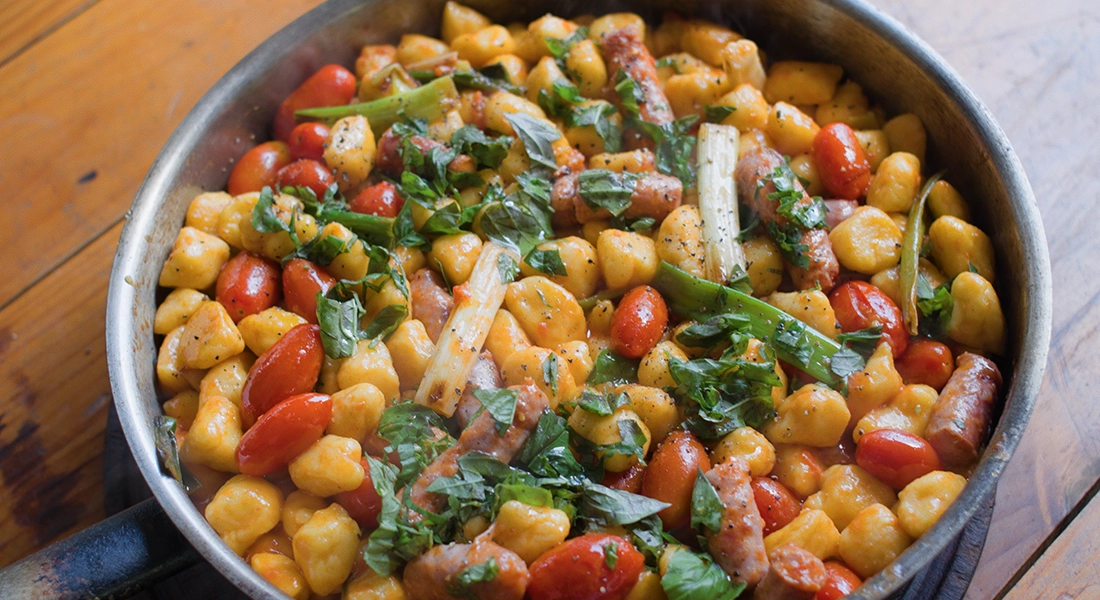
In a partnership with FICMEC and its push for sustainable cooking based on locally sourced products paired with film screenings, the school offers spectators a brunch tasting menu that includes dishes from different culinary traditions. Yoghurt, bread, kimchi, gochujang, empanadas, gnocchi, or beef are some of the items on the menu. Each dish relates to the screening and is an open-ended journey that reflects the evolution of the film’s protagonist, Jota Urondo, and defines the return to roots that characterizes his cooking.
Jota Urondo questions the ideals promoted by the food industry, pointing out that it tends to homogenize our consumption habits.
In light of this, he proposes we move towards more natural eating habits that are close to what humans consumed going as far back as a thousand years ago. With this premise, FICMEC and the IES San Marcos aim to delight the audience’s palate.
Mariana Erijimovich y Juan Villegas / 67 min. / 2025 / Argentina / Premiere in the Canary Islands