Miembro de: 
JORNADAS
FOTOSÍNTESIS
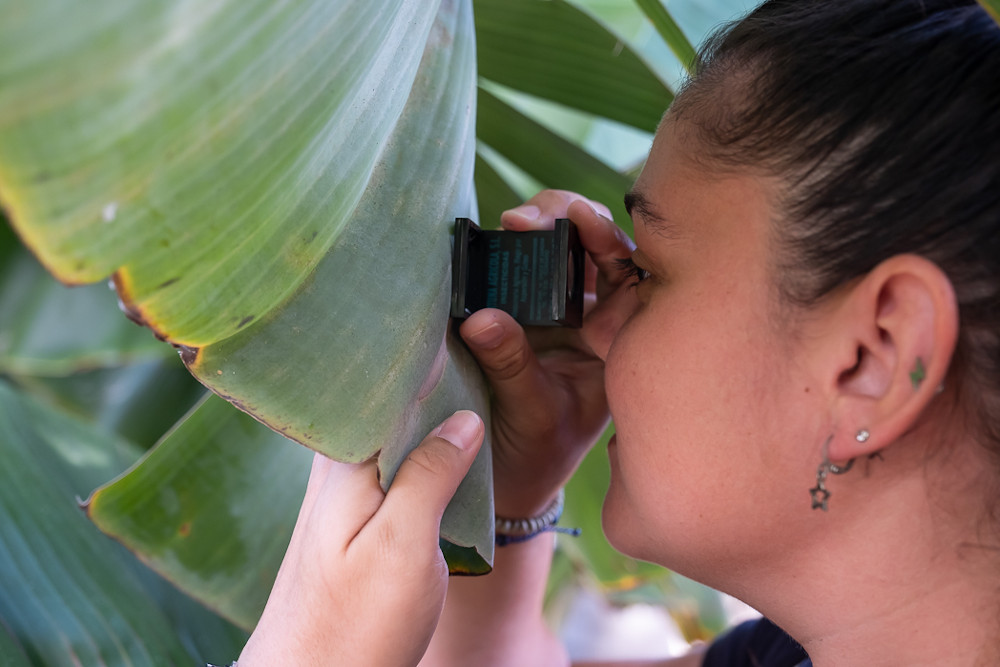
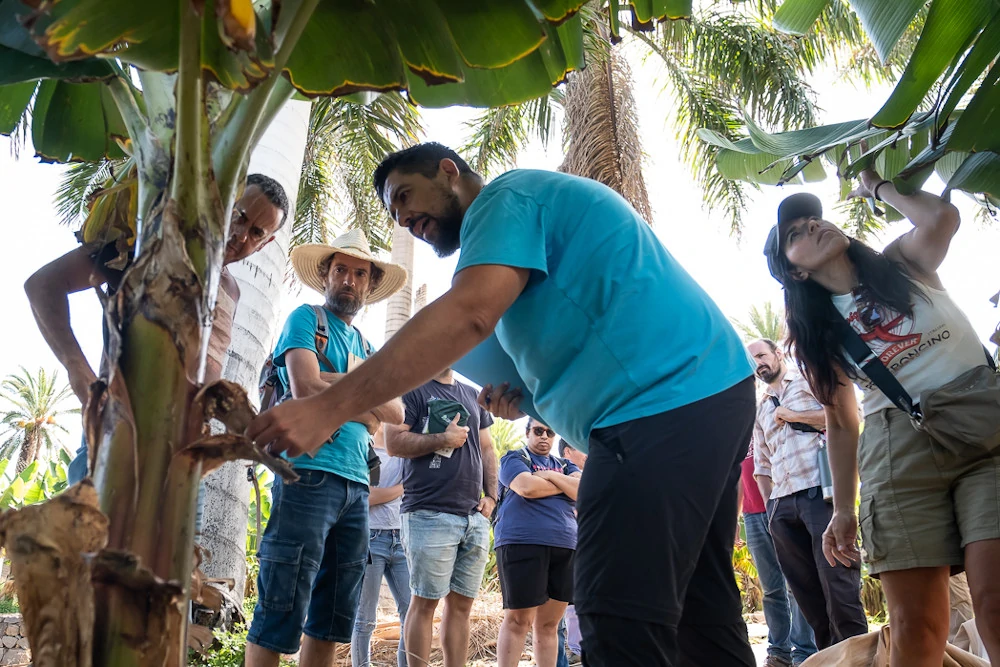
Fotosíntesis (Photosynthesis) is a meeting point for agricultural practices that seek to respond to contemporary environmental challenges. In a context dominated by climate change, soil degradation, and the need to rethink production models, this session puts the spotlight on approaches that bring together sustainability and scientific and traditional knowledge.
Agroecology presents itself as a key discipline, one that is able to articulate the relationship between territory, biodiversity, and human activity, integrating both academic research and the real-life experience of farmers. From this perspective, Fotosíntesis proposes a journey that combines theoretical reflection and a practical approach, introducing attendees to tangible initiatives that are already transforming the agricultural landscape.
The programme includes a visit to a farm, where participants will be able to learn first-hand about new agricultural practices that are environmentally friendly, as well as enjoy an organic breakfast that highlights the value of local and seasonal produce. Throughout the session, participants will also learn about new production opportunities within the Canary Islands and the establishment of ecological cacao production, analysing its possibilities and the challenges it faces.
The session will conclude with the screening of Fork in the Road, a documentary that reflects on contemporary food systems and the decisions that will shape the future of agriculture and food on a global scale.
Fotosíntesis hereby strengthens its role within FICMEC as a space for reflection and learning around a form of agriculture that is more resilient, environmentally responsible, and committed to the land’s future.
PROGRAM
Jornadas destinadas a la adaptación al cambio climático y agricultura.
6 de junio de 2026 – Icod de los Vinos
9:00h – Visita a la Finca agroecológica Mar y Sol
9:30h – La agroecología, una ciencia imprescindible para construir futuro
Maria del Carmen Jaizme- Vega
La agroecología ha ganado reconocimiento en la última década y su enfoque abarca diversos campos. El contenido académico, los métodos de investigaciones y las aplicaciones prácticas y políticas, pueden variar en función de la perspectiva con que se analice. La agroecología integra la ecología con otras disciplinas académicas (agronomía, sociología, etc…) y el conocimiento local. Integrar el cocimiento de los agricultores o campesinos, con el cocimiento científico representa un eje central de la ciencia y la práctica de la agroecología.
10:30h – Desayuno ecológico
11:00h – Cacao ecológico de Canarias: ventajas e inconvenientes de su implantación.
Abel Jacobo Hernández Luis de CAECA. Foto y Bio
El cacao (Theobroma cacao) está emergiendo como un cultivo de alto interés en las Islas Canarias debido a sus condiciones climáticas subtropicales, que ofrecen un entorno favorable para su desarrollo, especialmente en zonas bajas y húmedas.
12:30h – Proyección de cine FOTOSÍNTESIS
SPEAKERS
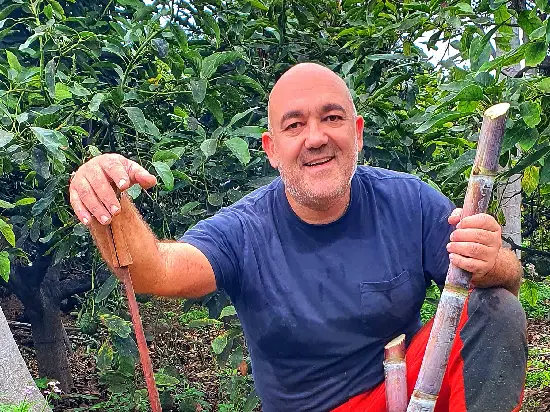
Abel Jacobo Hernández Luis
Abel Jacobo Hernández Luis (Los Silos, 1975) holds a degree in Biology from the Universidad de La Laguna, where he is completing a doctoral thesis on the restoration of degraded natural spaces. He is a secondary school teacher at IES El Sobradillo, in the Agricultural Studies department, where he teaches botany and phytopathology in an upper-level vocational programme in Forest Management, Environmental Studies, and Landscaping. Hernández Luis combines his work as an educator with his agricultural activities, farming organic crops such as avocados, mangoes, and other tropical species on the Finca Los Corrales. His work focuses on agroecology and functional biodiversity, integrating native plants for organic pest control. He participates in initiatives tied to experimental cacao farming on the Canary Islands, exploring its potential as a complementary crop adapted to local conditions.
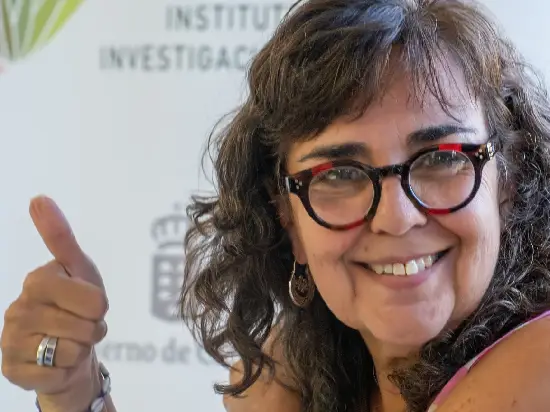
María del Carmen Jaizme-Vega
María del Carmen Jaizme-Vega (Las Palmas de Gran Canaria, 1959) holds a PhD in Biology from the Universidad de La Laguna. She developed her career at the Instituto Canario de Investigaciones Agrarias (ICIA), where she was the head of agroecology research, a programme coordinator, and the director of the Plant Protection Unit. Since 2021, she has been ICIA’s Scientific Director and President of the Fundación Instituto de Agroecología y Sostenibilidad. Her work focuses on the health of agricultural systems and soil recovery through the use of beneficial microorganisms, applied to key crops in the Canary Islands. Jaizme-Vega has led numerous national and international projects, produced considerable scientific output, and carries out intensive teaching and outreach work around agroecology.
REGISTRATION
Registration is free and includes:
- Transportation from El Parque del Drago to Finca Mar y Sol and back
- Organic, locally sourced breakfast
- Presentations
- Admission to the film screening at El Parque del Drago