Miembro de: 

ACTIVIDADES PARALELAS
EXPOSICIONES
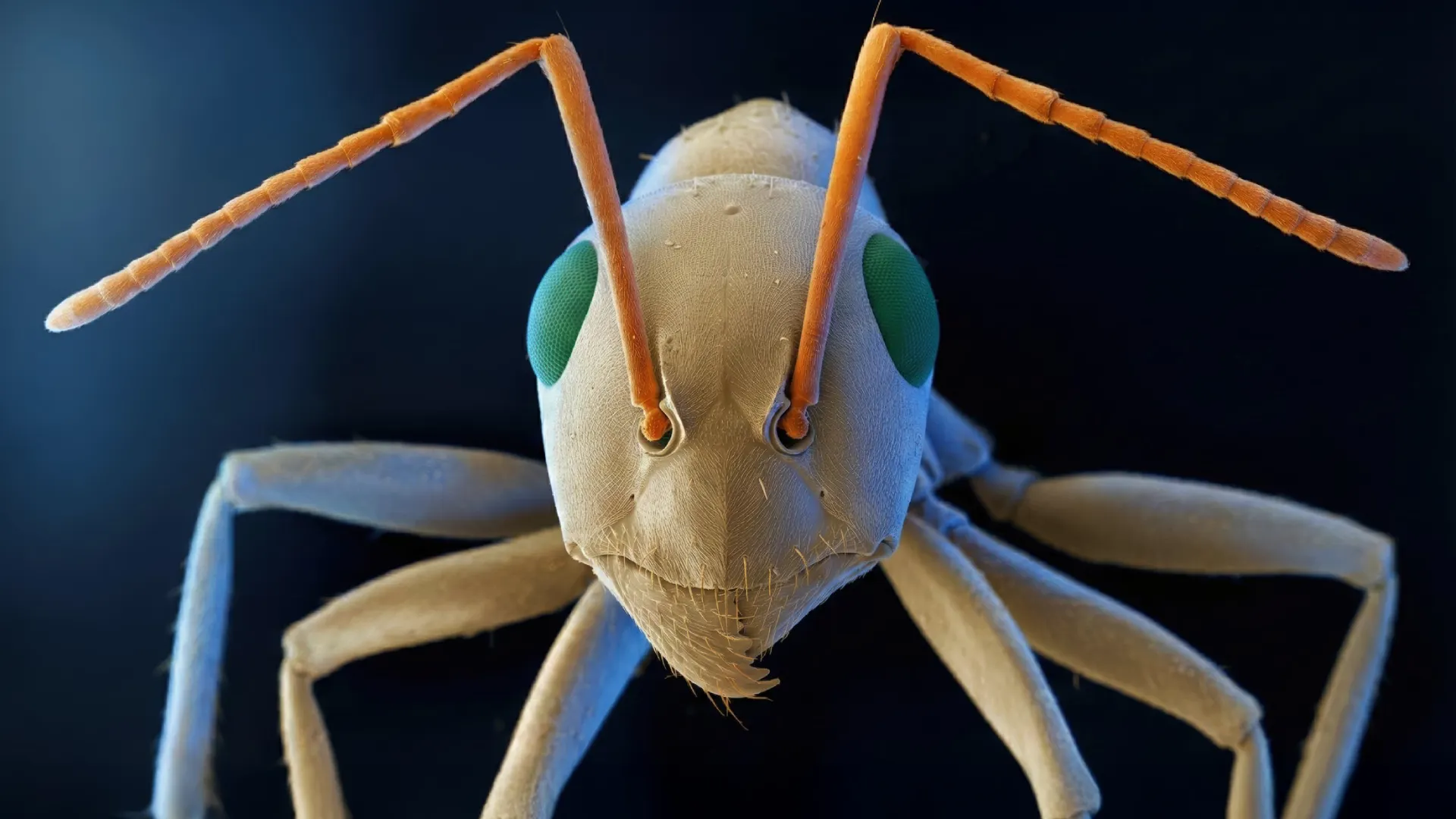
Throughout history, the boundary between science and art has been hazy. And yet, few creators have managed to blur that line as masterfully as Professor Luis Monje, of the Universidad de Alcalá. Known as one of the greatest scientific imaging specialists in the world, Monje is the figure that nowadays best represents the perfect blend of the researcher’s rigor with the exquisite sensibility of the artist.
This exhibition celebrates forty years of endless exploration. Through a carefully curated selection of twenty large-scale artistic photographs, the author invites us on a wondrous journey towards that which eludes the human eye. The works brought together here are not mere technical recordings; they are windows onto the previously unseen dimensions of our surroundings.
A true pioneer in Spain, Monje has mastered fascinating practices that allow all that is hidden to become tangible. The exhibition includes the intricate topography revealed by focus-stacking macro techniques, as well as the spectral landscapes that bloom under ultraviolet and infrared lighting, freezing time down to as little as one millionth of a second.
Every exhibited large-format photograph is the product of years of research and technical prowess, coalescing in breathtakingly beautiful compositions. The 20 works featured in this collection are the legacy of a man who has dedicated his life to shedding light on the invisible, proving that science is also a supreme form of visual art.

Luis Monje holds a degree in Biology from the Universidad de Alcalá and is a Scientific Photography Technician. In Spain, he was a pioneer in ultraviolet, infrared, ultra-macro, and high-speed scientific imaging. He has received, among others, the Premio de Investigación de Castilla-La Mancha, the Philips Quality Award, and the Premio Francisco Díaz. Monje is a professor and postgraduate program director at the Universidad de Alcalá, has trained specialists in multiple countries, and has authored 18 books and numerous scientific articles. He is also a journalist and science communicator at The Conversation and other outlets, has led scientific photography departments, and is a member of several international associations. His archive exceeds 620,000 images of science and nature across 77 countries.
Luigi Stinga: Bestiary
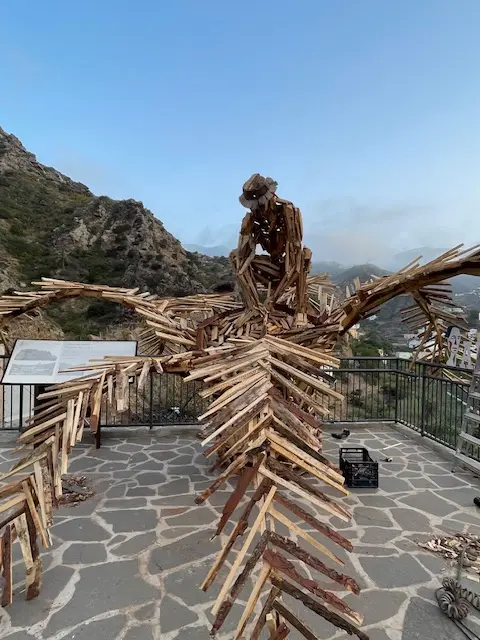
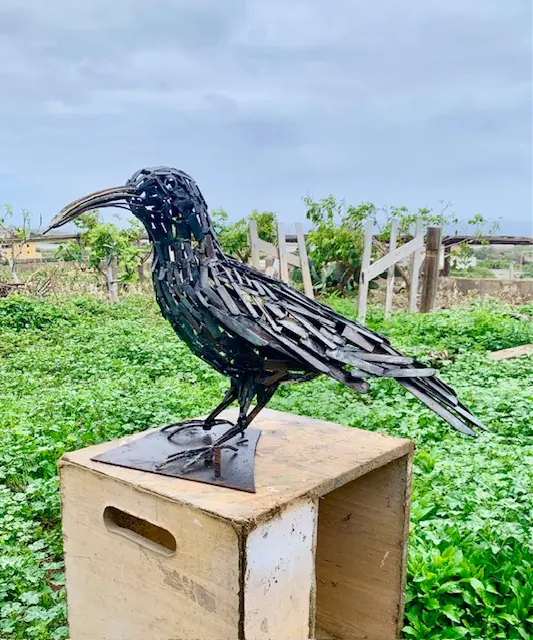
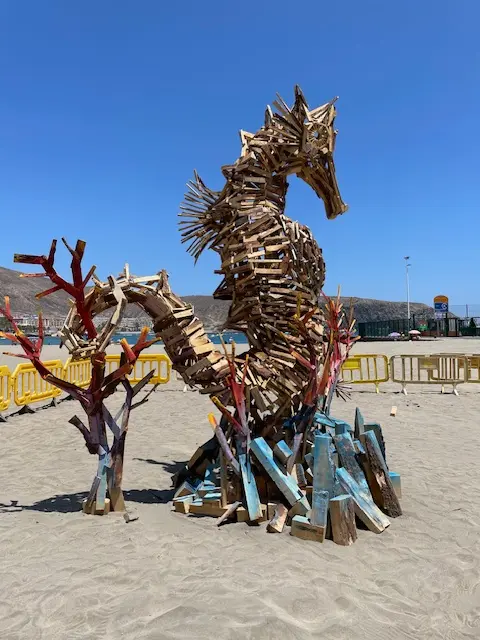
Different forms, different materials. My main source of inspiration has been my understanding of a connection to nature born from the observation of all kinds of living beings.
I want to dedicate this modest exhibition to my profound admiration for the forms of nature. By using recycled materials, I wish to bring home the need to take responsibility for the traces we leave behind. At the same time, I want to explore our intimate relationships with other species. I want to look at what the symbols are, what they represent, and how we, in a way, identify or hide from our complicated lives on the basis of logical reasoning, instead of being guided purely by our feelings, which is how other species navigate life.
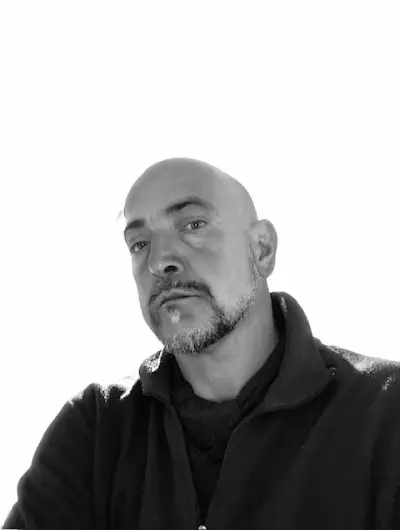
Born in 1971 in Sorrento, Naples, Stinga is the son of painter Vincenzo Stinga. As a child, he developed his artistic skills by collaborating with his father on large-scale murals, as well as in his studio.
He studied fine arts in Rome, specializing in scenography. Later, he obtained an ERASMUS scholarship, which allowed him to study sculpture in the School of Fine Arts in La Laguna. He has spent over 20 years researching sculpture with recycled materials, within the field of “trash art”.
Stinga creates sculptures in real time in public spaces, participating in art and music festivals throughout the archipelago, as well as in different points of the mainland and Europe. He uses various techniques and materials, such as metal, wood, ceramics, cement, and papier-maché. He also works in paint, large-scale murals, and illustration.
Escrito en piedra
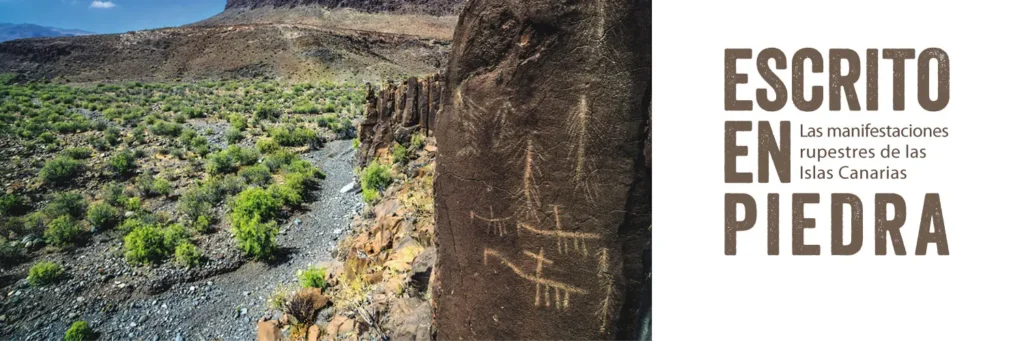
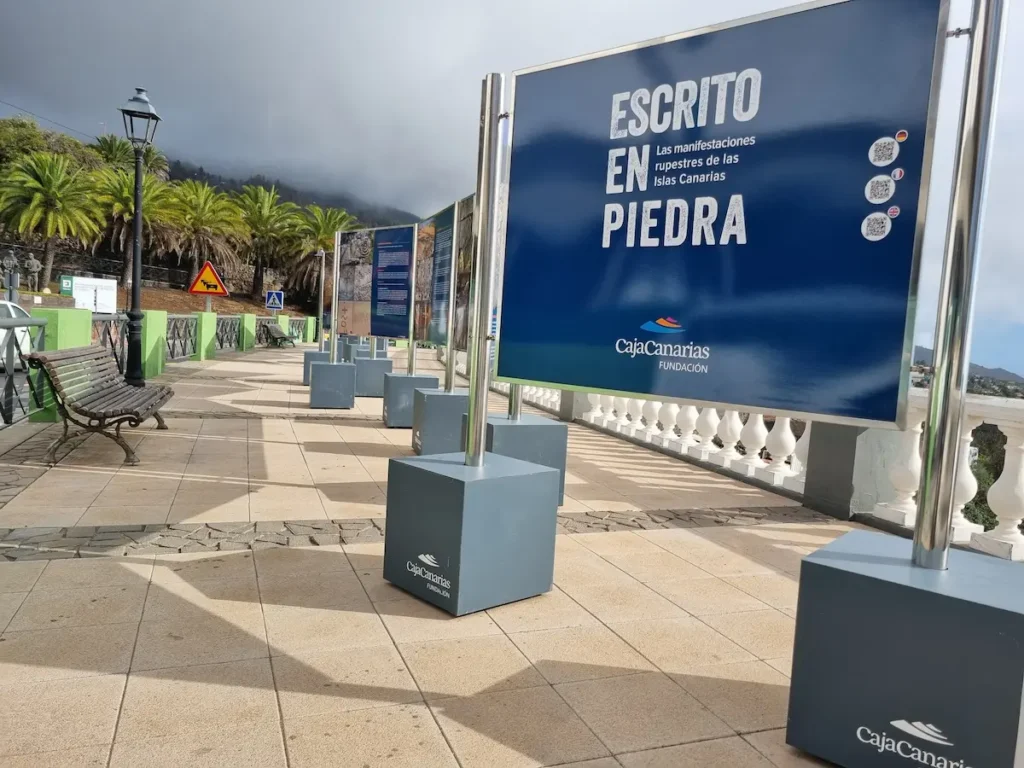
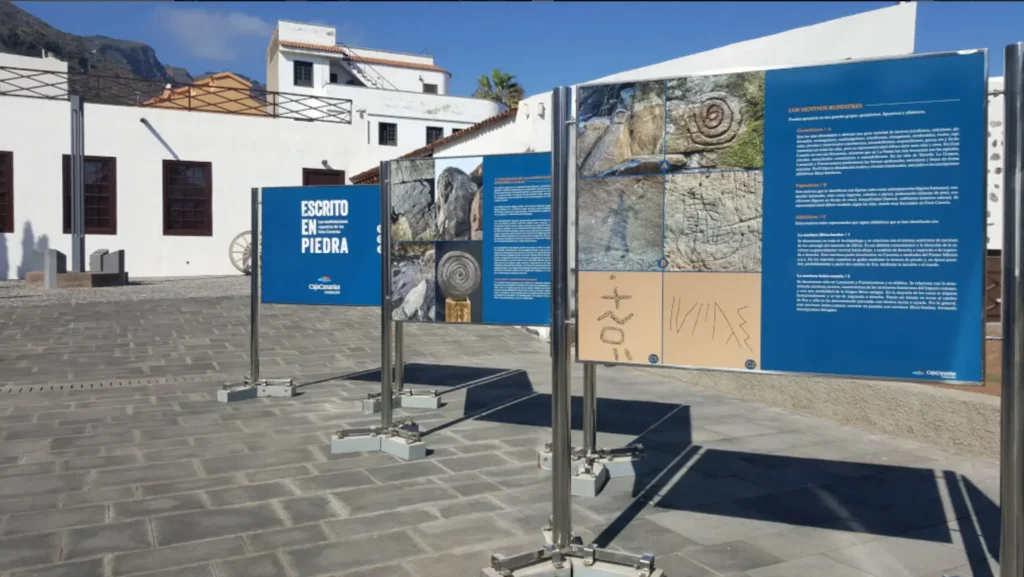
Escrito en piedra (“Written in Stone”) offers a scientific perspective on the rich indigenous archaeological heritage of the Canary Islands. It is a path that takes us through the most important sites of our archipelago, highlighting one of the fundamental areas of our region’s history. This journey is made possible by the work of Professor José Farrujia de la Rosa, who has devoted a large part of his career to research in this field.
The rock engravings of the ancient inhabitants of the Canary Islands must be accorded proper recognition as cultural expressions of Canarian identity, and their visibility and promotion are essential to enhancing their conservation. This exhibition seeks to bring this island cultural heritage closer to the public at large, reflecting the commitment of Fundación CajaCanarias to fostering education and capacity-building, as well as research; the promotion and dissemination of culture; and, more broadly, contributing to the progress of Canarian society, as established in its statutes.
The rupestrian representations that can be viewed and studied through this exhibition, as well as in its accompanying publication (whether abstract, geometric, figurative, or alphabetic, and engraved or painted on rocky surfaces throughout the archipelago), will lead the visitor-reader to analyse the cultural contributions of the ancient indigenous Canarian people, and to their idiosyncratic foundations and anthropological relationship with the North African Amazigh or Berber world. This research advances a deeper understanding of the historical period spanning from the mid-first millennium BCE, marked by the arrival of the first settlers to the islands, to the 14th century, when the European conquest began.
In essence, Escrito en piedra serves as an indispensable resource when it comes to developing a more comprehensive understanding of the cultural heritage of the Canary Islands.
Fundación CajaCanarias